A university of knowledge, compassion and transformation.
Kalinga Institute of Industrial Technology (KIIT) has become a sought-after destination in India for professional studies, admired for academic quality, community outreach and its identity as a university of compassion and humanitarianism.
Its incredible transformation is truly a journey from Soil to Silver — from two rented rooms to a globally recognised academic township.
From a modest beginning to a world-class university
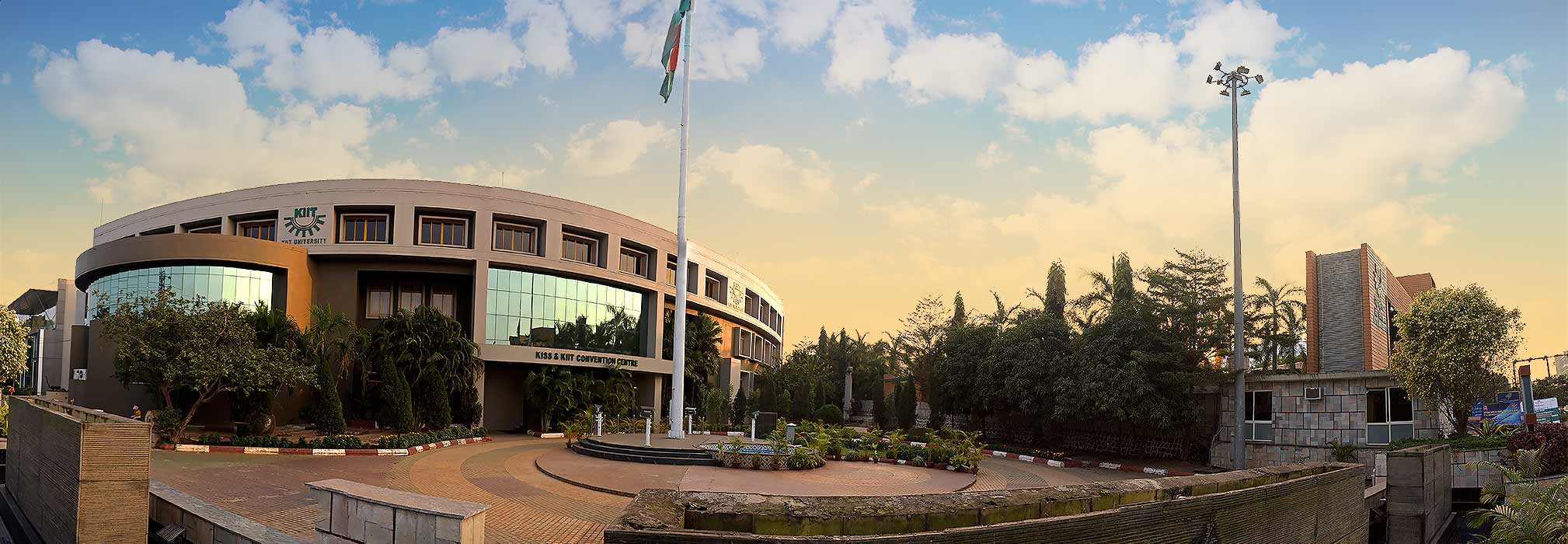
KIIT today stands as a 36 sq. km. academic township with national and international recognition.
Industrial Training Institution
KIIT began as a modest Industrial Training Institution with a strong vision for technical and professional education.
Base year of the University
Engineering, Management and Computer Applications were added as undergraduate and postgraduate programmes.
Expansion into new schools
Law, Biotechnology, Medical Sciences, Dental Sciences, Nursing, Mass Communication, Film and Media and Fashion were added.
Global academic township
KIIT has grown into a 36 sq. km. township with 30 campuses, 40,000+ learners and global academic recognition.
A journey from Soil to Silver.
KIIT’s institutional journey, growth, recognition and contribution to education, sport, society and humanity.
Kalinga Institute of Industrial Technology (KIIT), a household name in the education sector, has become a sought-after destination in India for professional studies. It is admired all over for the quality of its academic courses, its community outreach work and as a university of compassion and humanitarianism. It has become a case study because no other educational institution in India has grown in its scope and scale as much as KIIT has in a short span of 25 years.
Its incredible transformation is truly a journey from Soil to Silver.
KIIT started in 1992-93 as an Industrial Training Institution. However, 1997 is considered the base year for the University as undergraduate and postgraduate courses in Engineering, Management and Computer Applications were added. In 2007, many new schools were added to its umbrella – School of Law, Biotechnology, Medical Sciences, Dental Sciences, Nursing, Mass Communication, Film and Media, Fashion and KIIT International School.
Since then, there has been no looking back! Today, KIIT offers professional education to students from across India and more than 70 countries, with over 30,000 students pursuing undergraduate, postgraduate, and PhD courses in the University, and 10,000 enrolled across its other programmes. This includes 2000 international students from 65 countries.
The alumni of KIIT, over a lakh of them, have made their mark in their respective careers in academics, corporate organizations, civil services and enterprise.
One would find it difficult to imagine that such a celebrated institution with a global reputation was established by an unassuming humble being, Dr Achyuta Samanta, the Founder of KIIT and KISS, who started the institute with all of Rs 5000 as the initial investment. He had big dreams and a passion to make a difference. Dr Samanta started KIIT in two rented rooms with 12 students and 2 staff.
The modest institution has now grown to incomprehensible propositions and is spread over a vast 36-square-kilometre academic township. Its 30 lush green campuses employ over 3000 eminent faculty and researchers and 15000 staff. KIIT and KISS together is a family of over a lakh people.
The campus houses a 2600-bedded super speciality hospital, KIMS, a multi-storey central library, a central research facility, a 22-storey research and innovation wing, auditoriums – the largest one with 5000 seating capacity, 18 sports complexes, many international standard stadiums covering all sports, 30 food courts, and a rose garden. The institution takes pride in being the greenest campus in India.
It has received all accreditations and affiliations from prestigious national and international bodies such as the Accreditation Board for Engineering and Technology (ABET), USA and the Institution of Engineering and Technology, (IET), UK because of its quality research, innovation, and publications and citations. KIIT has had an excellent placement record since its inception owing to its quality teaching and learning process, and the brand value that it carries.
KIIT is ranked in the cohort of 501-600 in the Times Higher Education ‘World University Ranking 2026’. Its Computer Science Engineering ranks in the cohort of 301-400 and its overall Engineering ranking is 401-500 in the world. KIIT has been accredited with an A++ grade by the National Assessment and Accreditation Council (NAAC) with an all-India 17th rank by the National Institution of Ranking Framework, NIRF, Ministry of Education.
It has also been the top university for innovation among private institutions for two consecutive years (2020, 2021) according to AICTE, Government of India. It has been ranked 168 among universities in the world as per the Times Higher Education Young University Ranking 2024.
KIIT has made colossal contributions to sports, having produced 23 Olympians. The University has been honoured with the CII Sportstar Award, FICCI India Sports Award, and Rashtriya Khel Protsahan Puruskar 2022 for its outstanding promotion of sports and encouragement through Corporate Social Responsibility. Additionally, KIIT and KISS serve as the nodal centres for the FIFA Football for Schools Programme in Asia.
Beyond its immense contributions to the development of the state and the city, KIIT has also promoted local art, culture, sculpture, rural development, literature, and spiritualism. All these achievements have been possible because of its founder, Dr. Achyuta Samanta—lovingly called Samanta Sir—who embodies principles, discipline, hard work, and selfless service. It truly is an inspiring story of a humble man steering two institutions to glory despite all the hardships and struggles.
Guided by knowledge, values and global excellence.
KIIT’s vision and mission reflect its commitment to professional learning, ethical growth, research, leadership and service to society.
Vision
To create an advanced centre of professional learning of international standing, where the pursuit of knowledge and excellence reigns supreme, unfettered by the barriers of nationality, language, cultural plurality and religion.
Mission
- Impart value-based quality education of international standard.
- Develop skills for solving real-life problems.
- Inculcate a global perspective in attitude.
- Create leadership qualities with futuristic vision.
- Foster entrepreneurship and societal responsibility.
- Cultivate ethics, morality and healthy professional practices.
- Instil the habit of continual learning.
- Encourage creativity and research temperament.
- Promote close interaction with industries and remain aligned with state-of-the-art technology.
Guiding KIIT with vision, experience and institutional purpose.
KIIT is guided by leaders who bring academic strength, administrative experience, institutional vision and a deep commitment to education and service.
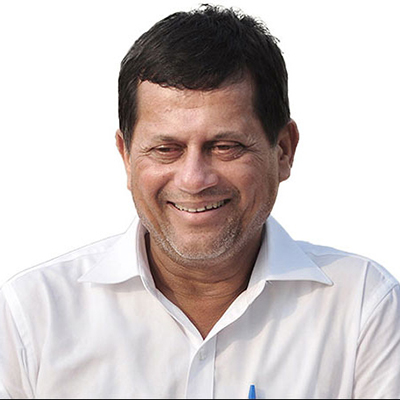
Prof. Achyuta Samanta
The visionary founder of KIIT and KISS, whose dream, discipline and service have shaped the growth of the institution.
Visit Profile →

Prof. (Dr.) Subrata Kumar Acharya



Prof. (Dr.) C.B.K. Mohanty
School of Medicine — KIMS, KIDS and KINS
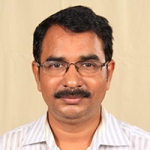

Dr. Niklaus Samuel Gugger
Dr. Nik Gugger is the Global Ambassador of KIIT & KISS. He is a Member of the Swiss Parliament and President of the Swiss India Parliamentary Group.
Born in Kannur, he was brought up there till the age of four before being adopted by a Swiss couple and taken to Switzerland.
Words from distinguished visitors.
Reflections from national leaders, Nobel Laureates and global academic personalities who have appreciated the vision, scale and purpose of KIIT and KISS.
“I congratulate Dr. Samanta for establishing institutions of character like KIIT and KISS. I urge the students of KIIT & KISS to take lead in spreading the message of peace and non-violence in present day strife torn world.”
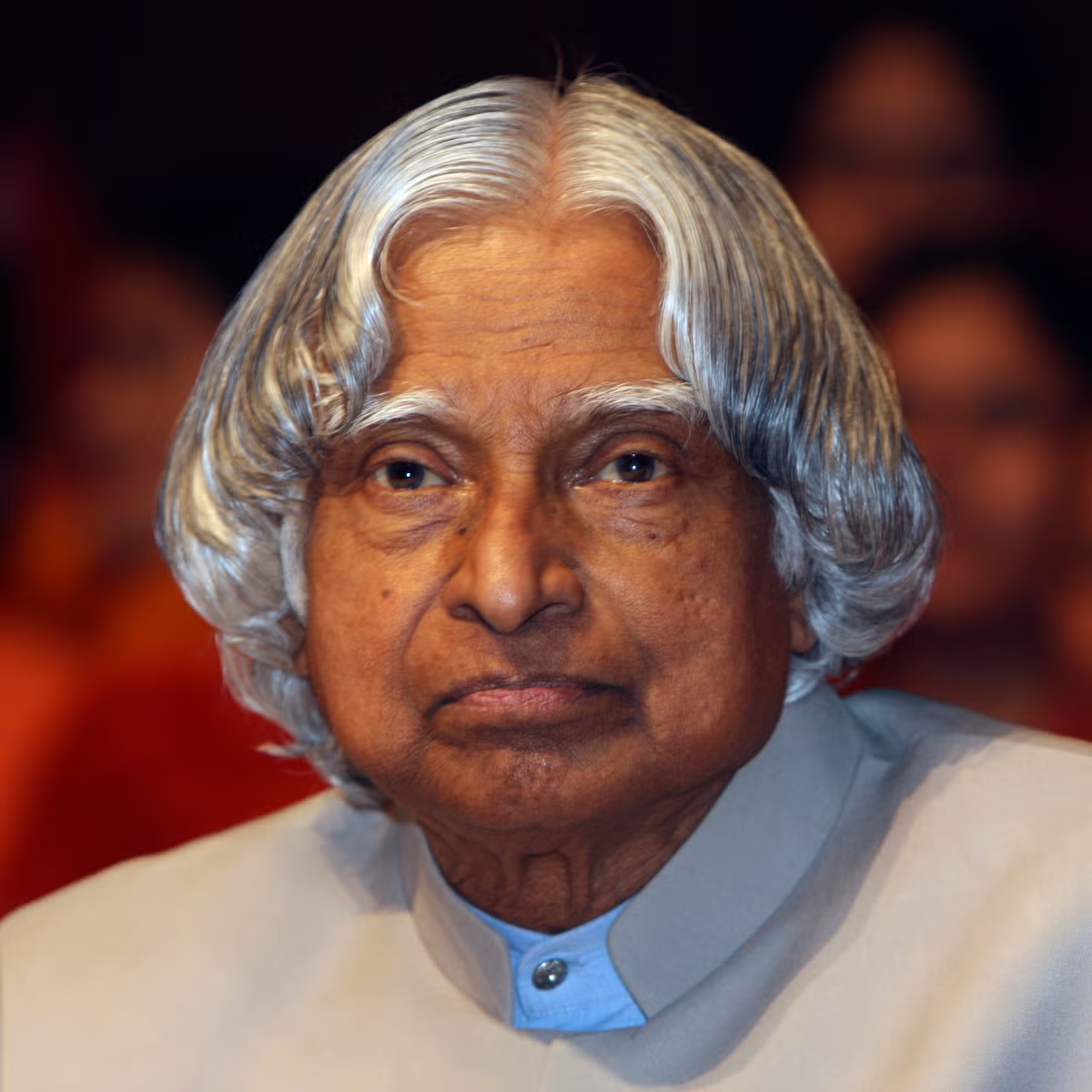
“KIIT goes way beyond what I had expected to see. I was told that it is a nice institute with many students, but what I see here is nothing less than a township.”
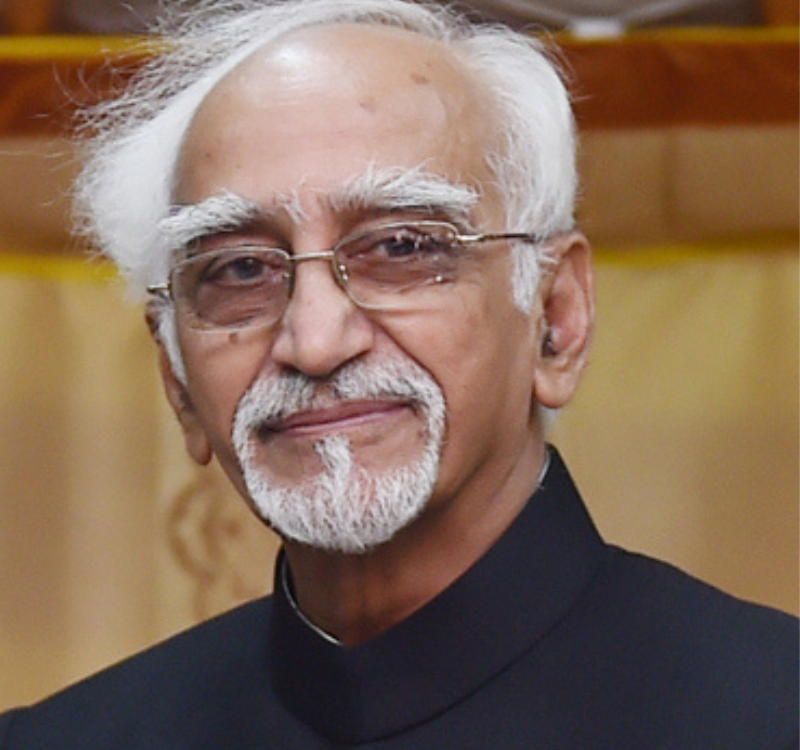
“We thank KIIT and its management for a wonderful conference, an impressive inauguration of the School of Biotechnology and Convocation. Organisation of our visit and of the events was excellent and highly professional.”

“I have been extraordinarily impressed with the phenomenal work undertaken by KIIT/KISS. The work of these two institutions gives me great hope that the challenges facing eastern India can be translated into opportunity.”

A young university with a strong national and international presence.
KIIT’s growth is reflected through its rankings, accreditations, innovation recognition, sports achievements and global academic standing.
Times Higher Education World University Rankings 2026 cohort.
Ranked among Indian universities by the National Institutional Ranking Framework.
Placed in QS World University Rankings: Asia 2026.
Ranked in Times Higher Education Asia University Rankings 2025.
Accredited with the highest NAAC grade.
Affiliations and accreditations from recognised international bodies.
Top private higher education institution in ARIIA innovation ranking 2021.
Olympians produced by KIIT, recognised for promotion of sport and world-class sports infrastructure.
A name rooted in history, origin, vision and belief.
The name KIIT — Kalinga Institute of Industrial Technology — carries historical, geographical and symbolic meaning.
The word Kalinga honours the ancient region of Kalinga, present-day Odisha, known for its rich heritage, culture, learning and the historic transformation of Emperor Ashoka towards peace and non-violence.
KIIT began as an Industrial Training Institution. The name reflects its technical origin and its evolution into a comprehensive university for professional education and research.
The letter K carries symbolic value in the Founder’s life and work. From his birthplace to many of his creations, it has become a sign of growth, prosperity and success.

Education that reaches beyond the classroom.
At KIIT, service to society is as important as education. Inspired by the vision of Founder Prof. Achyuta Samanta, KIIT has taken many outreach initiatives in education, healthcare, empowerment and social good.
These efforts are carried out with sincerity and care. They reflect the belief that true growth is not only about success, but also about giving back to society.
Quick pathways for students, parents, partners and visitors.
Useful links to help visitors move towards the most important academic, institutional and action-oriented sections of the KIIT website.
Experience KIIT — a university of knowledge, compassion and opportunity.
Explore programmes, visit the campus virtually, connect with admissions or learn more about KIIT’s global, academic and social-impact journey.